Choosing a glass bottle
9 steps to find the perfect glass bottle
Every liquid needs its own home and the bottle is definitely the first item on the list of things to think about before your spirit can be showcased on the market.
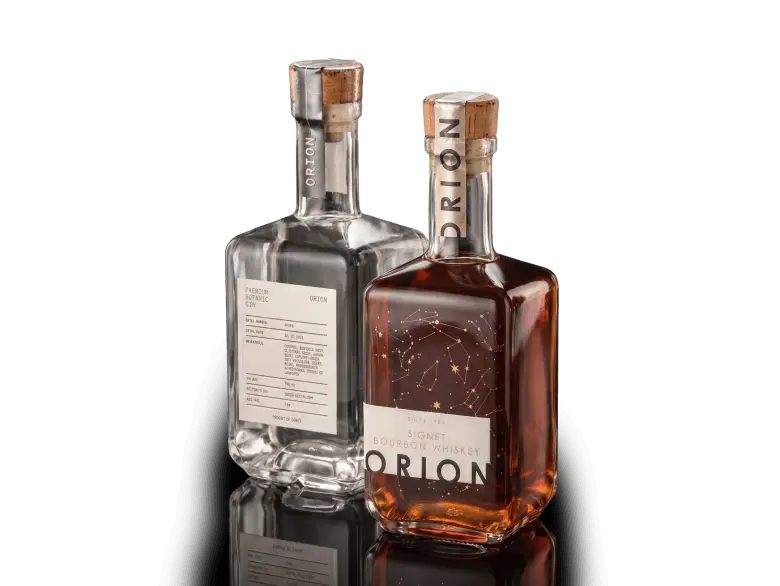
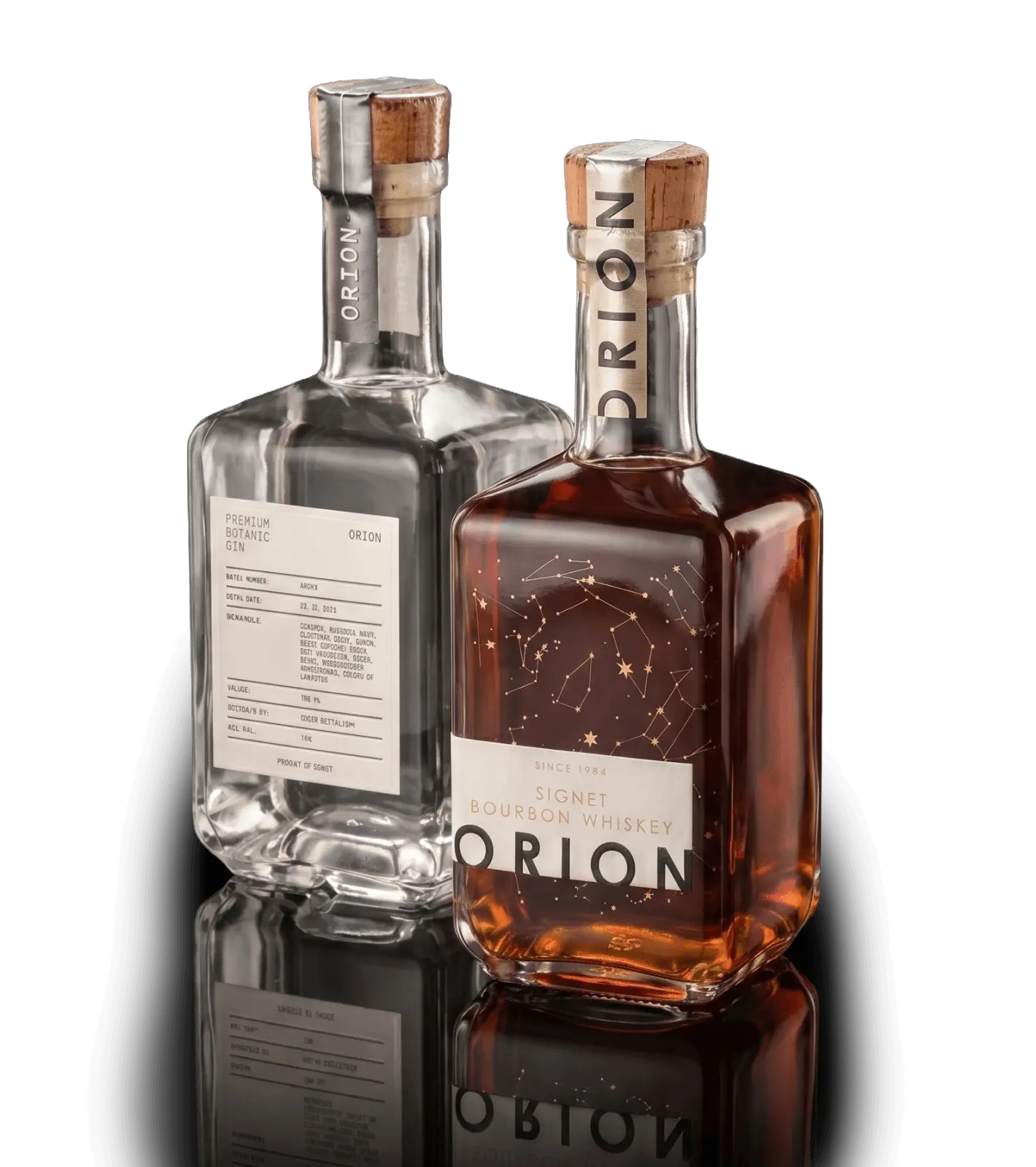
When it comes to packaging your product in a glass bottle, it’s important to select a bottle that is both visually appealing and functional. After all, the glass bottle will be the first thing potential customers see and their initial reaction will likely influence the success of your product.
Know your flow
Create your own spirit
Select or create perfect bottle shape and volume
Choose from design options
Market it
9 steps to a bottle
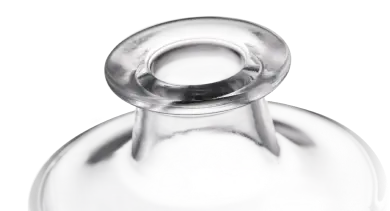
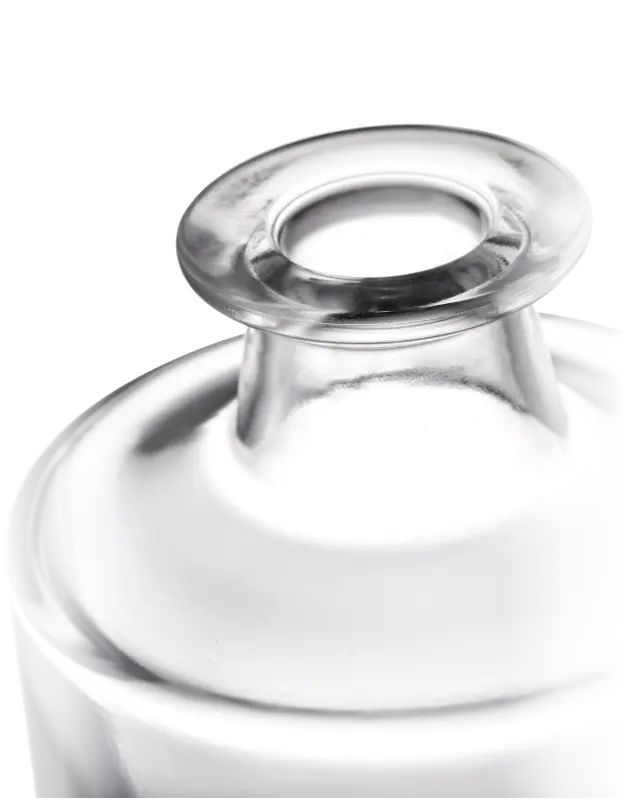
Do you know bottles have shoulders?
To select the right bottle for your product, it’s crucial to understand the various components and features that make up a bottle.
It will help you allocating space for decoration, and selecting the type of closure.
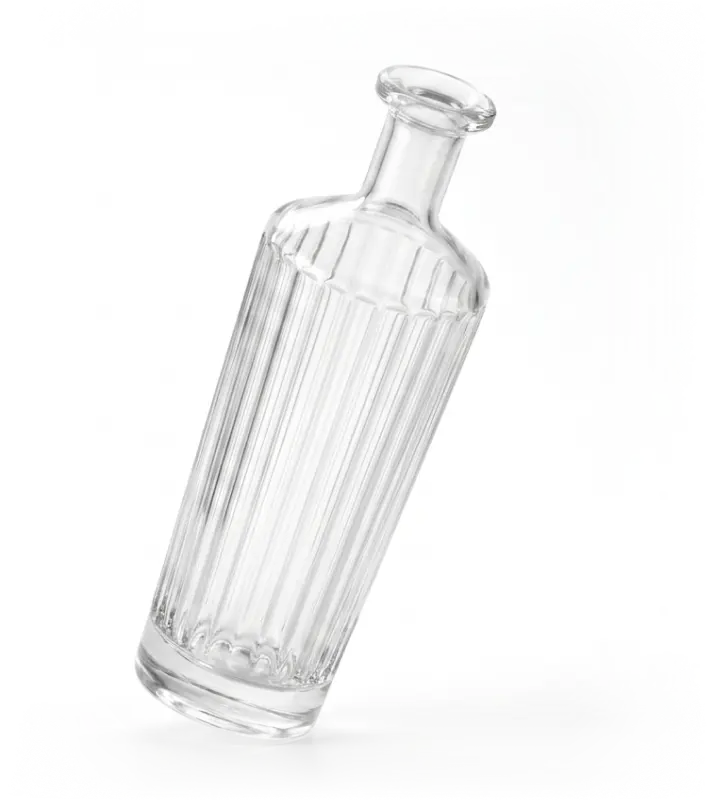
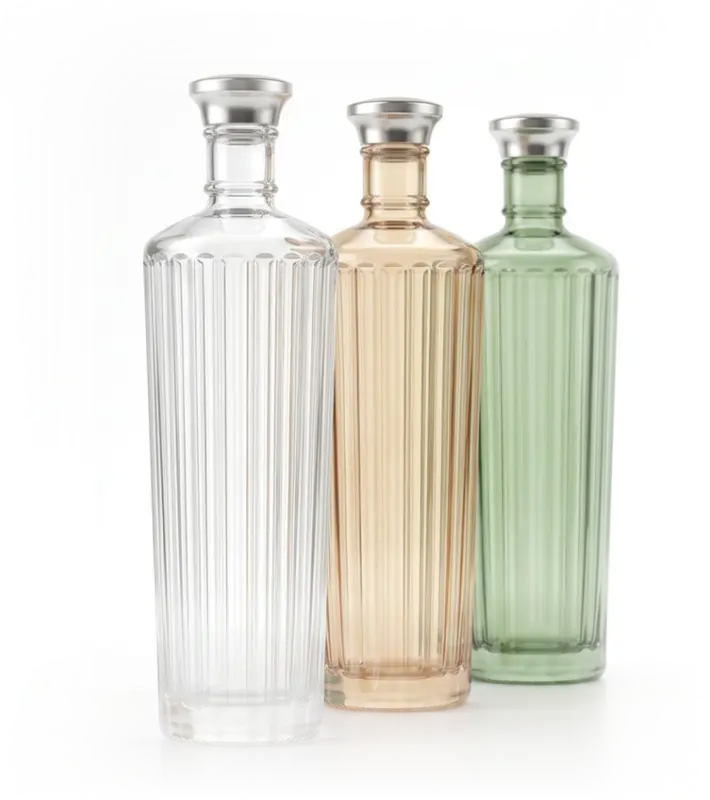
Clear glass for spirits, amber or green for wine.
Clear glass bottles are an excellent option for liquors like whiskey, gin or vodka while blue, green, and amber bottles are popular for wine.
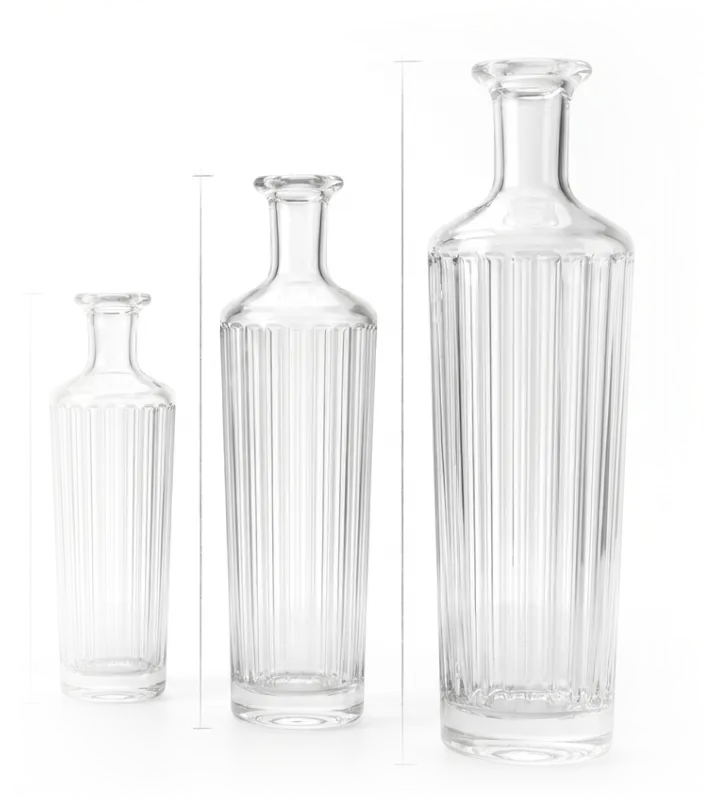
Nip, pint, split, fifth?
Standard bottle sizes are pint, half-litre and litre. The most common spirit bottle size is 700 ml, but there are also unique sizes available like the split and the magnum.
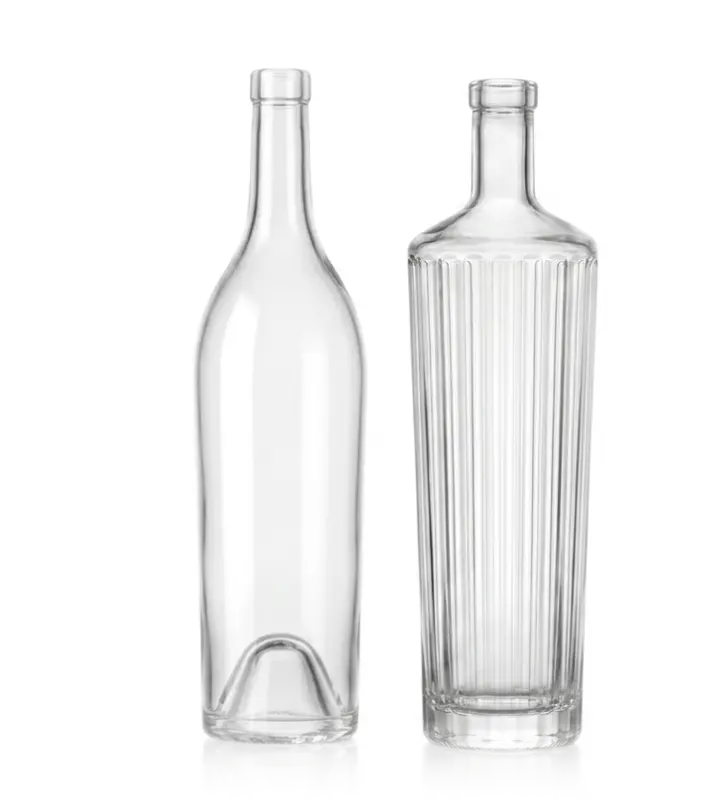
Curvy and short or sharp and tall?
While good product quality is essential for a brand’s reputation, exceptional packaging and a strong brand image are crucial to enticing customers to try the product in the first place.
The perfect packaging design should stimulate sales without additional information and should be naturally different from another packaging.
Precious metals, UV colours?
The decoration depends on product design specifications and use of various decoration techniques.
Screen printing, hot stamping, use of precious metals or UV colours are only few of them.
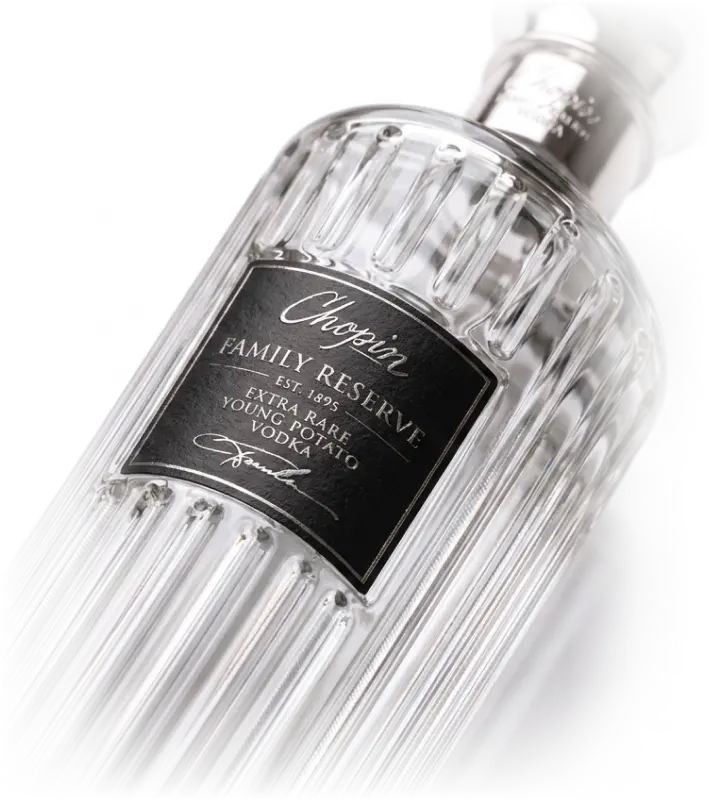
Big part of the overall design and aesthetics.
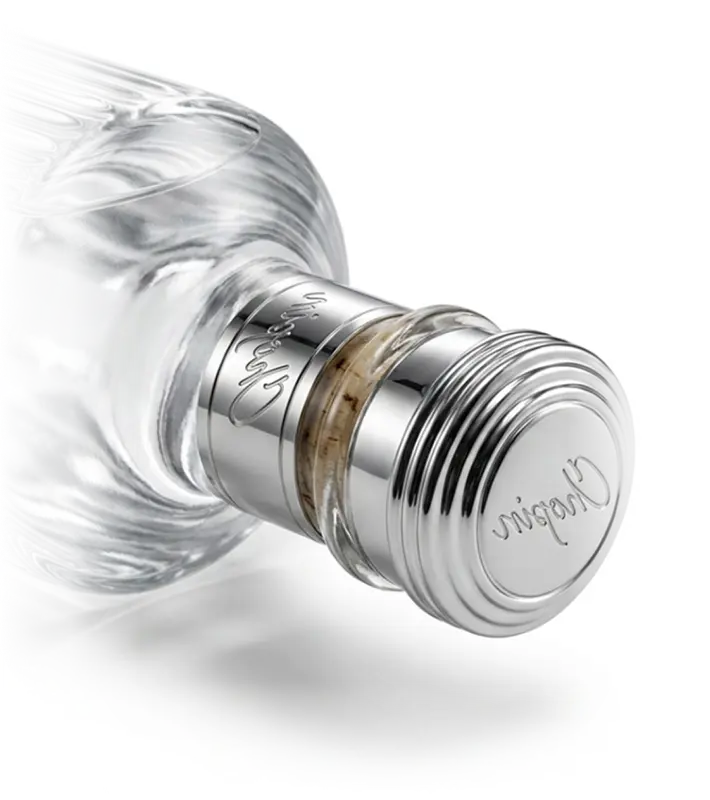
Closures play an important role in packaging as they affect the overall product brand and how the product is dispensed. They are keeping the contents stored in pure and untouched glass containers.
Protect your product during transportation.
Consider the packaging purpose, bottle material, packaging material, and tertiary packaging. The packaging material used for secondary packaging can include plastic shells, corrugated cases, paperboard cartons, etc.
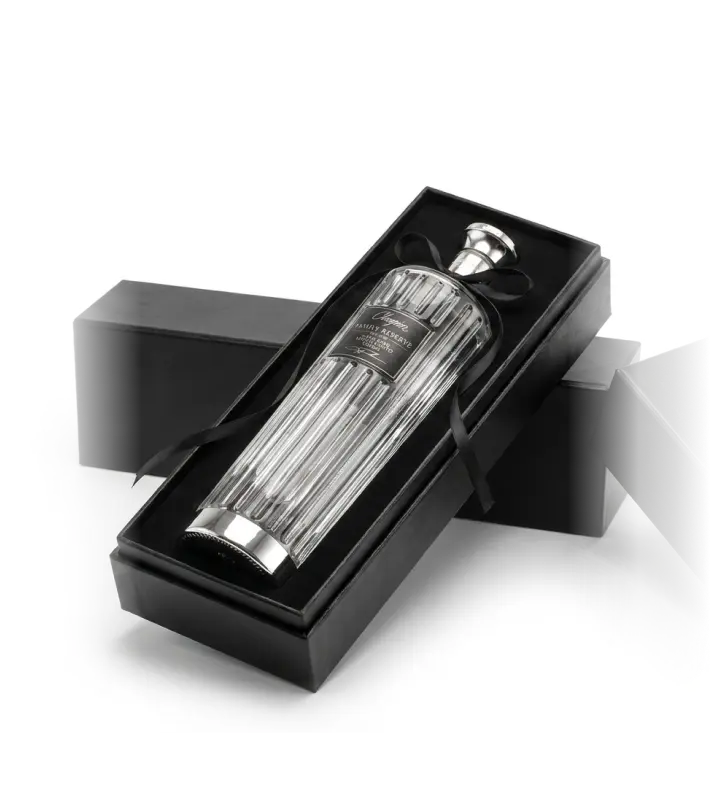
Safety of glass packaging containers.
It’s important to choose a glass manufacturer that not only meets but exceeds quality and performance standards, has the necessary certifications and is a reliable business partner you can trust.
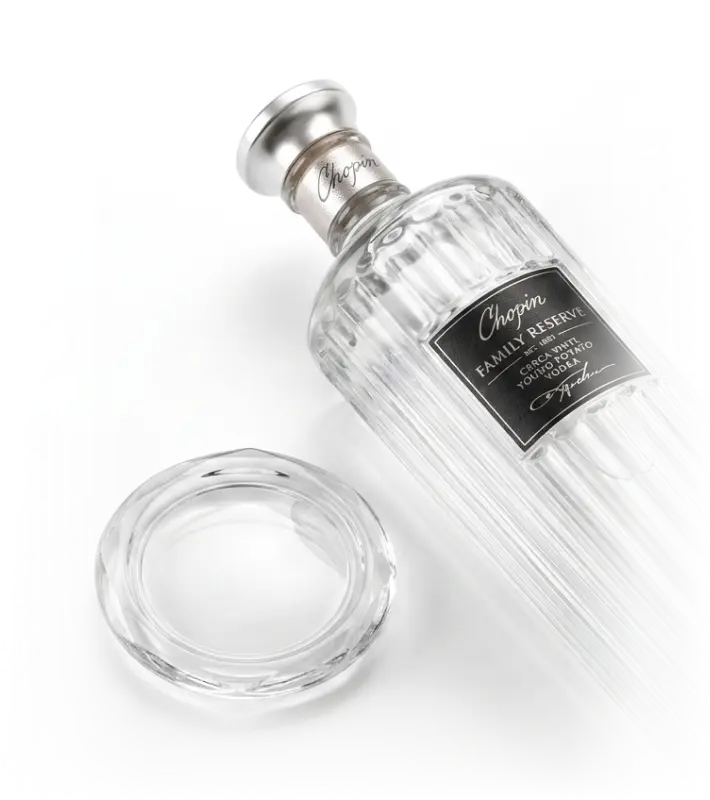
Do you know your obligations?
After selecting the perfect bottle for your spirit, it’s time to enter the market. However, it’s important to remember that regulations and legislation regarding alcohol sales and distribution may vary by country. It’s essential to comply with these regulations to ensure a successful launch.
Certificate of origin of government registration, import documentation… do you have it all?
For us, no project is too big and no detail too small.
Explore why we’re the right choice for your project.