Martell XO Cognac
Customer
Martell
Origin
France
Expertise
Glass distribution, flatness of sides, mould cooling
With its bold design and intense character, Martell XO reflects the heritage and style of Maison Martell, one of France’s oldest cognac houses.
The cognac combines the power and intensity of Grande Champagne eaux-de-vie with the elegance of the rare Borderies cru, a signature of Maison Martell for more than 300 years.
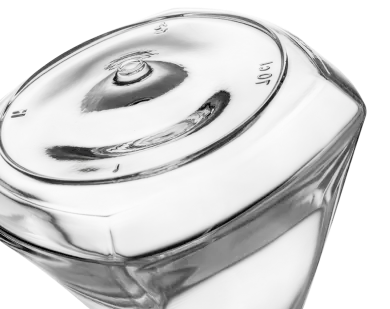
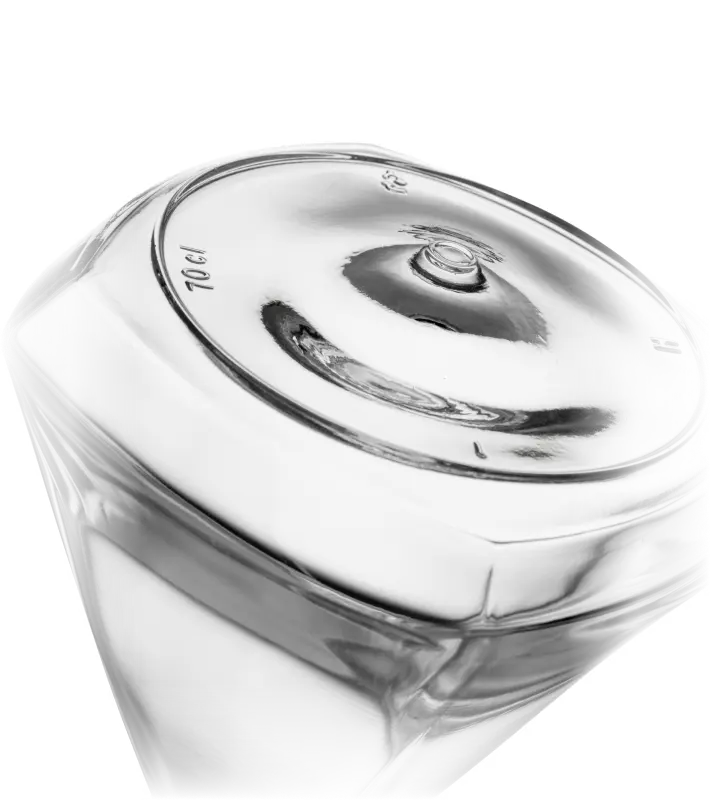
Its bottle is just as recognisable as the cognac itself. The pronounced arch, broad body and refined embossed details give Martell XO its distinctive appearance. The design brings a contemporary character to a cognac rooted in centuries of French tradition.
Behind the striking shape, however, lies a demanding glass manufacturing process. The combination of large, relatively thin walls, an unusual geometry and precise decorative details required particular attention during development and production.
The most demanding aspect of the Martell XO bottle was achieving consistent glass distribution across its complex shape.
The pronounced arch and broad, thin-walled surfaces made it difficult to maintain the required dimensions and ensure that the sides remained flat. Even small variations in glass distribution or cooling could affect the bottle’s final geometry.
Dimensional accuracy was particularly important. The development team carried out extensive measurements of the bottle’s dimensions and radii to ensure compatibility with existing components and equipment on the customer’s bottling lines.
At the same time, the bottle’s embossed details had to retain their definition without compromising the glass structure.
The challenge was therefore not simply to reproduce the shape, but to maintain the required flatness, dimensional consistency and glass quality throughout industrial production.
Vaider Group (formerly HRASTNIK1860) approached the project through a series of dimensional studies, production trials and adjustments to the mould equipment.
Numerous mock-ups were prepared, followed by trials involving different production settings and modifications to both the blank and blow moulds. These helped the development team assess how the glass behaved during forming and cooling.
Temperature control proved especially important. When the glass remained too hot, shrinkage and deformation could affect the flatness of the bottle’s sides. Excessive cooling, however, introduced other production difficulties.
To address these challenges, the team developed specific cooling solutions, including special cooling bridges, custom-built cooling pipes and optimised cooling grooves in the moulds.
These adjustments allowed more precise control of the cooling process and helped maintain the straightness of the bottle’s broad surfaces while preserving its characteristic arch.
The project also involved meeting increased quality requirements for the final market. Vaider Group achieved the required quality level within the first two production runs, delivering a result that met the customer’s expectations.
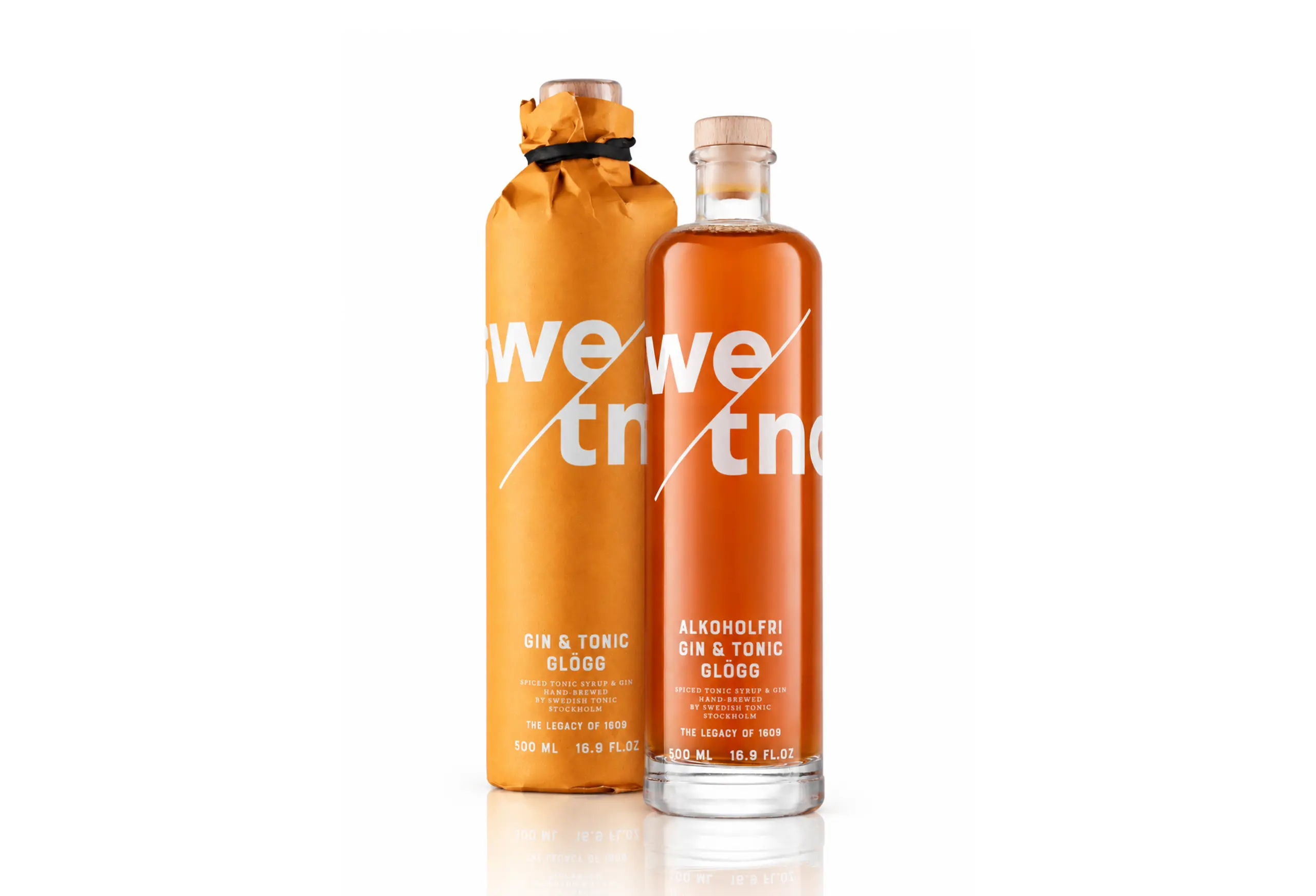
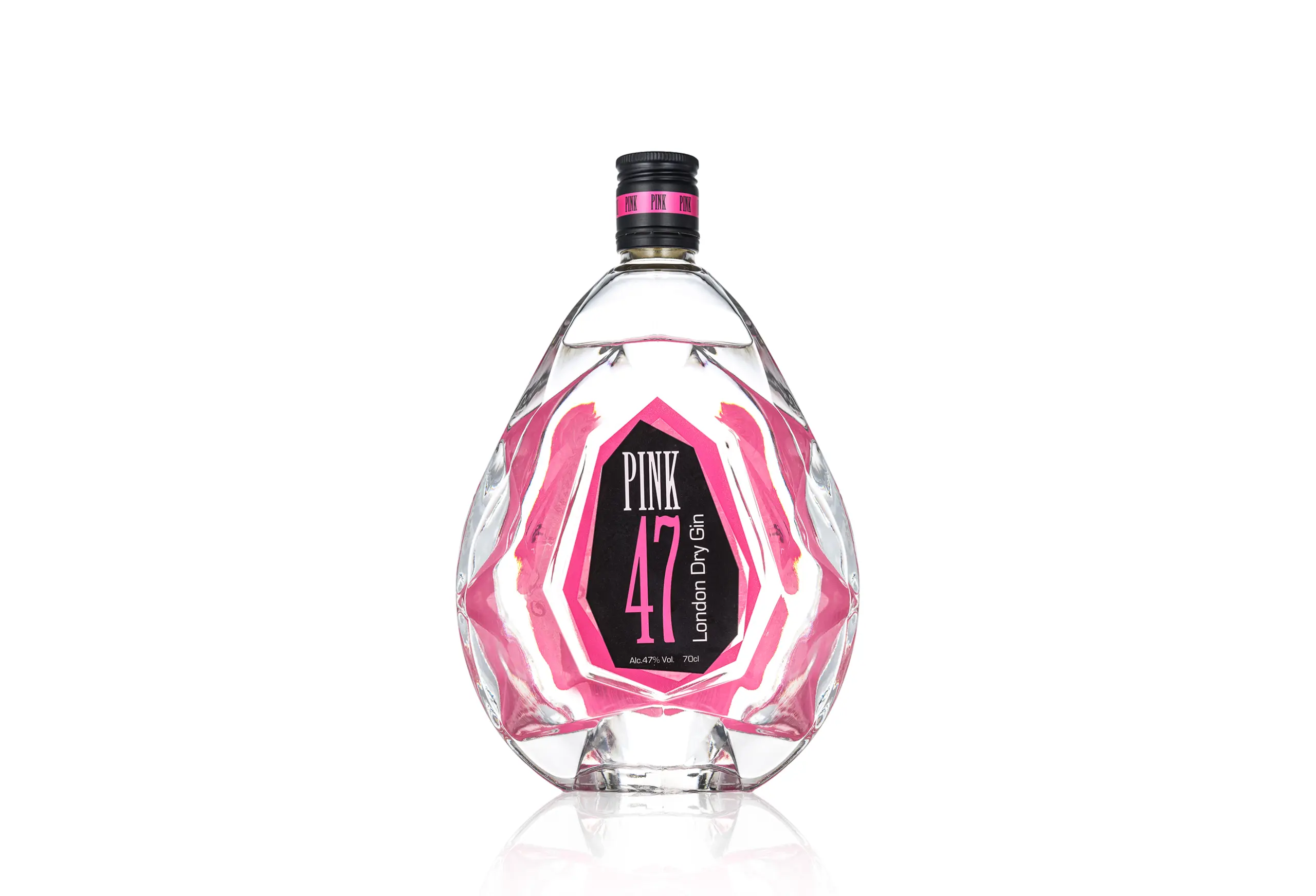
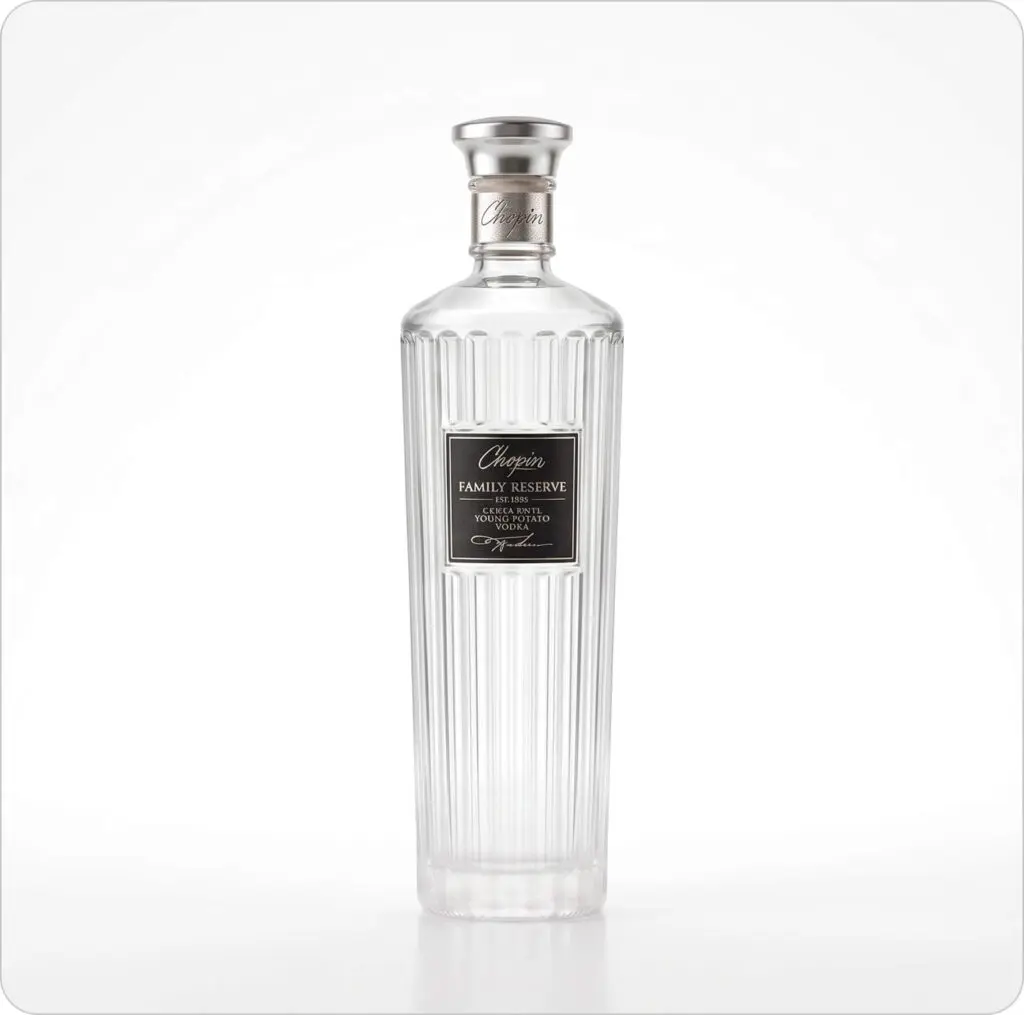
For your inspiration, a selection of possible directions created by our design team and
built on our existing products.
Berryshka Spirits
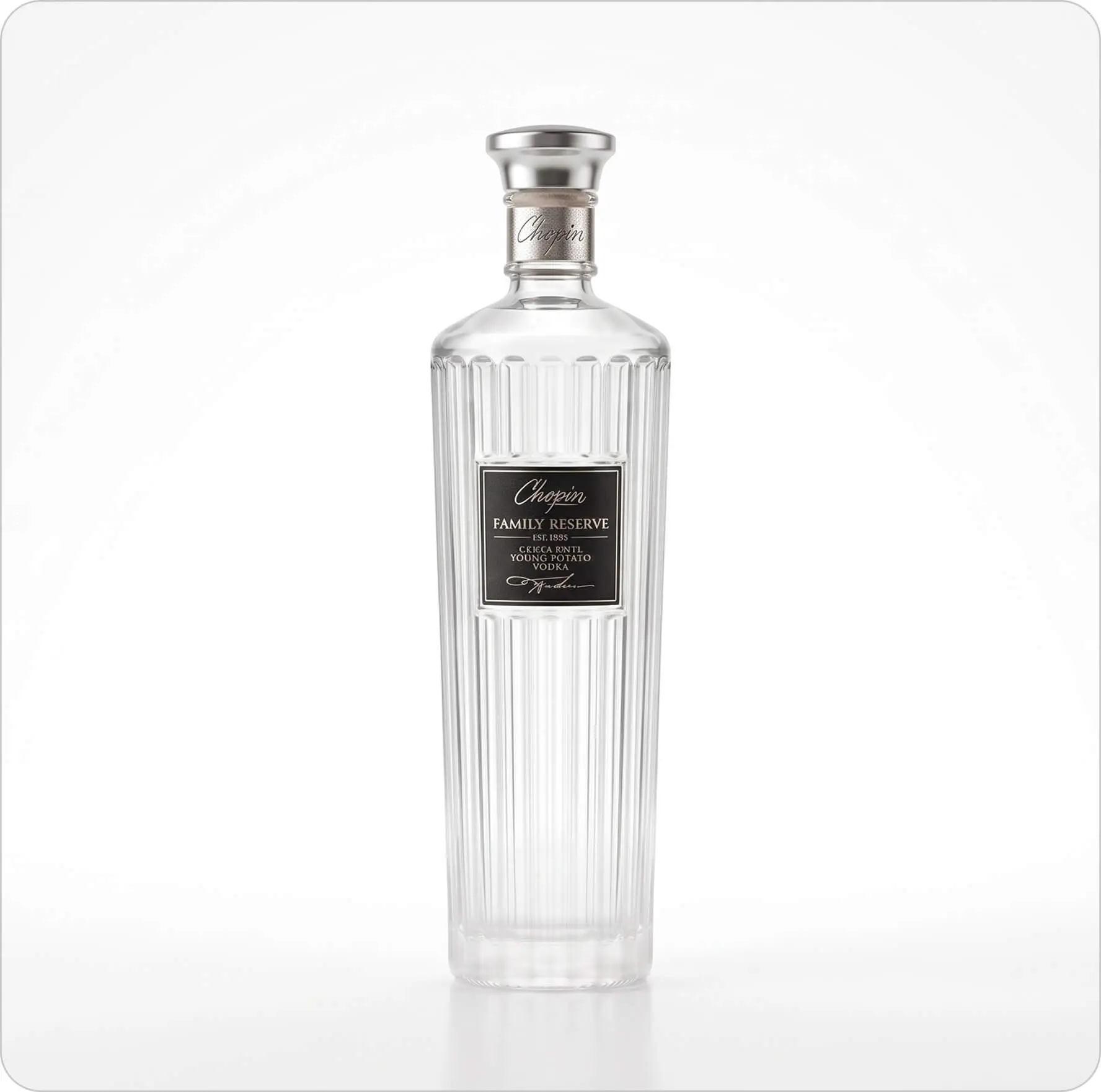
Chopin Vodka Family Reserve
Francoli Grappa
Frisky Panky: From Competition Winner to Bespoke Bottle
La Distillerie Générale
Markiza Rosé by Gašper Wines
Martell XO Cognac
Melifera Gin
Monologue Gin
Nongfu Spring Water
Olimia: A Bottle for a Precious Natural Resource
Pink 47 Gin
Project BEAR: Hybrid Regenerative Glass Furnace
RE◦Vine: Moving Beyond Sustainability
RE◦water bottle for JRE
Skënderbeu Brandy
Swedish Tonic Glögg
THE $KULL by Philipp Plein
For us, no project is too big and no detail too small.
Explore why we’re the right choice for your project.